

Global Platform Worker Power at the International Labour Conference
By Anousha P., Senior Program Associate, Global Platform Workers Solidarity Project (GPWSP)
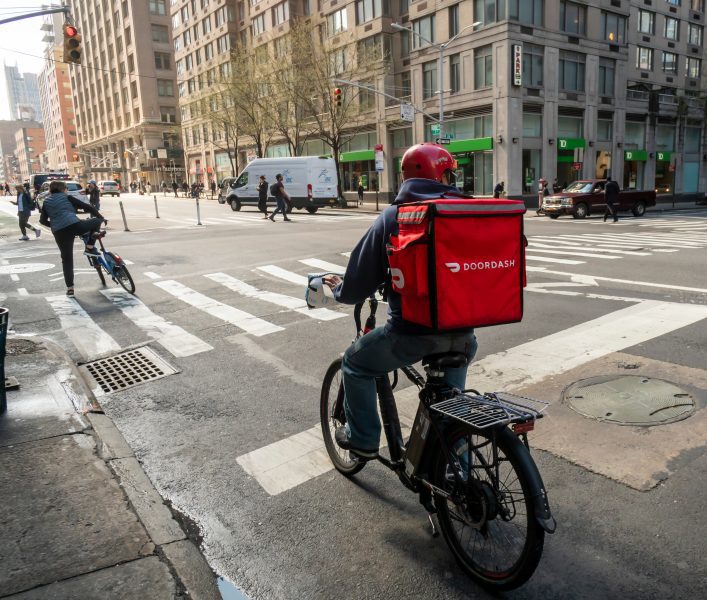
Across the world, a revolution has been unfolding in the world of work. Maybe you have noticed it when ordering food or hiring a nanny. If you use AI, you have benefited from the labor powering this revolution. This is platform (sometimes called ‘gig’) work. Logging onto apps on phones and laptops, millions of precarious workers around the world power the platform economy. Governed by opaque algorithmic management systems which control their access to work, pay, and hours, most of these workers have no access to any labor rights. No occupational safety and health measures while whizzing through traffic to meet impossible delivery time quotas; no mental health support while watching thousands of hours of violent, sexual and other disturbing content to keep the internet safe for the rest of us. No guarantee of fair pay, no way to challenge or dispute decisions, and with the constant threat of having your livelihood ripped out from under your feet through account deactivations. Workers are often misclassified as ‘independent contractors’ – an attempt by companies to avoid existing regulations.
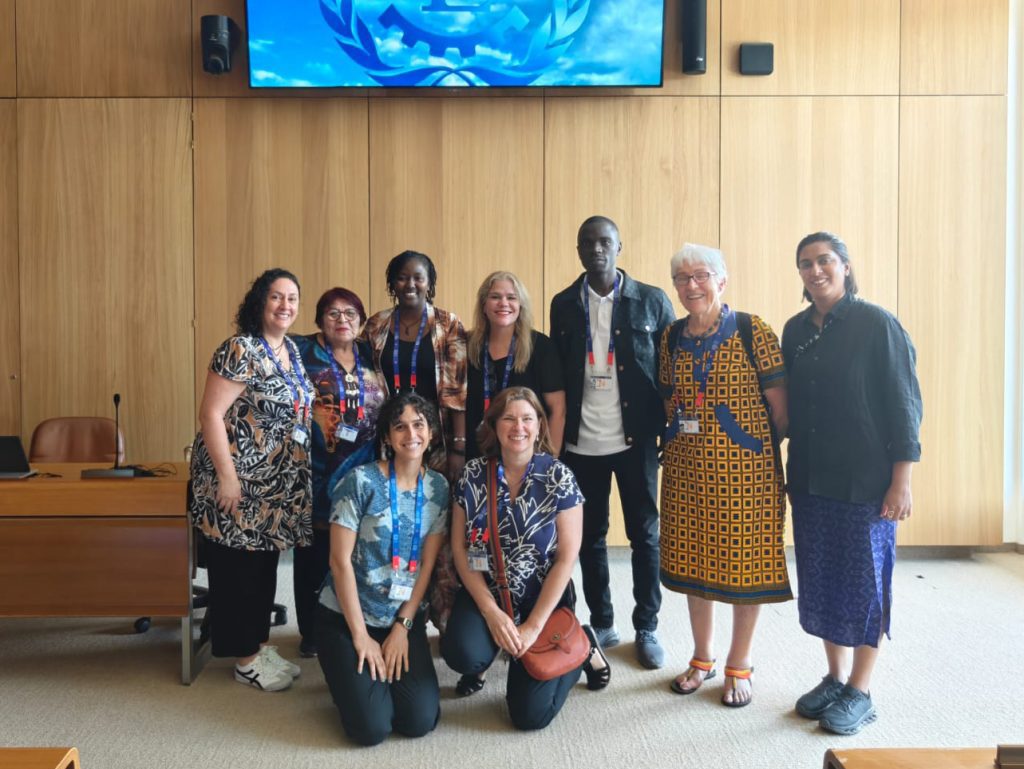
Amidst all of this, platform workers around the world have been organizing and pushing for both national and international regulations on this new way of managing work. Earlier in June, as a result of the pushes of platform workers and allies, the world adopted The International Labour Convention on Decent Work in the Platform Economy, a historic new standard to regulate platform work.
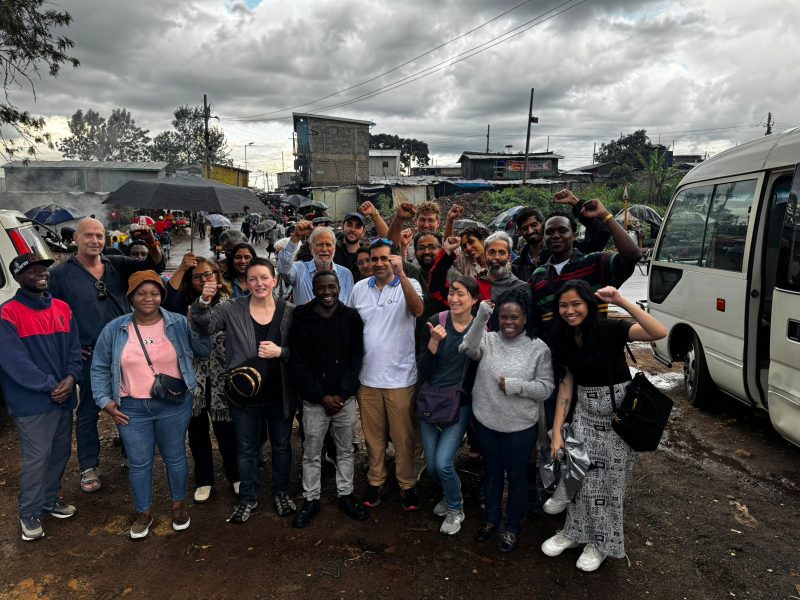
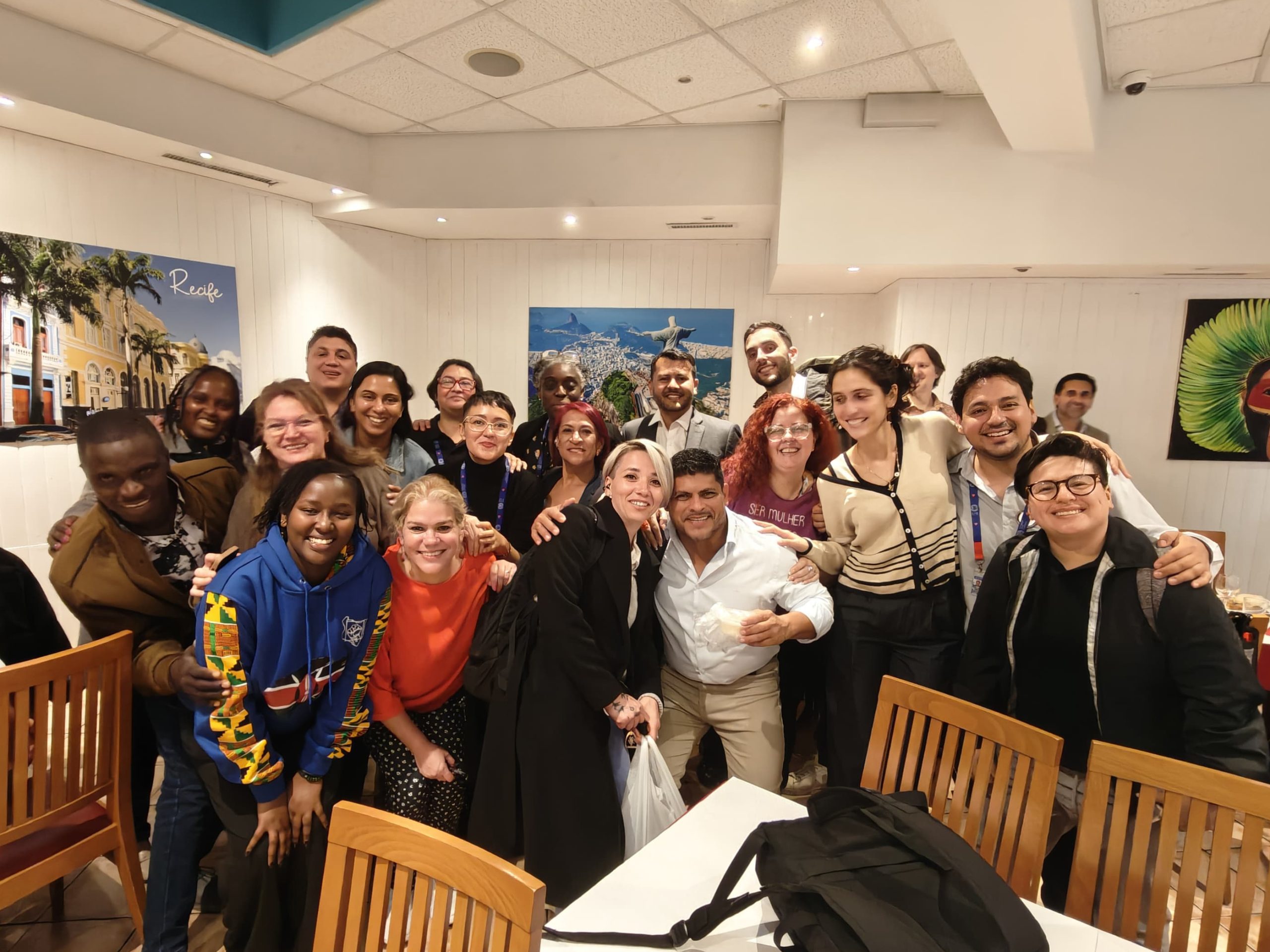
Hundreds of workers, employers, and governmental representatives gathered to discuss and negotiate the language in this important convention. Among those assembled were dozens of platform workers organizing in different geographies and sectors, from Mexico, Thailand, Peru and Kenya, and elsewhere. They included rideshare drivers, delivery workers, domestic workers, nannies, AI data workers, and content moderators.
Luz Myriam Fique, a platform delivery and rideshare worker who organizes with UNIDAPP Colombia and participates in the Global Worker Solidarity Project (GPWSP) — a community of grassroots gig and platform worker organizations of which ICCR is a co-secretariat — describes why it is so important that platform workers were in the room: “The platform economy cannot continue to grow at the expense of those of us who support it every day. The ILC [International Labour Conference] 2026 is a historic opportunity to move forward with no platform worker left behind. Nothing about us, without us!”
Platform Workers’ Voices: Essential to Strong Negotiations
ICCR is the co-secretariat of The Global Platform Workers Solidarity Project (GPWSP) along with Equidem. In that capacity, ICCR colleagues supported platform workers in attending the ILC, along with the Solidarity Center, International Alliance of App-based Transport Workers (IAATW), and the Asia-Pacific Forum on Women Law and Development (APWLD).
The entire International Labour Conference (ILC) process is fairly complex. First, the ILO releases a series of reports and questionnaires which all organizations who are a part of this tripartite (workers, employers, governments) system can respond to, but only if you know when and where to, and how to read the relatively legalistic language. The GPWSP supported 22 grassroots organizations from around the world in submitting one such response to the ILO in 2025. We also held series of online calls for cloud-based and care platform workers to analyze the draft Convention language and develop demands for the ILC.
At the ILC itself, there were 5 different discussions and negotiations (called ‘committees’) related to existing standards, gender, social dialogue, and the platform economy. In the tripartite negotiations – which stretched until midnight, and on the last day, even beyond, to 6AM – only one representative of the workers’ group can speak. Negotiations were tough: there were hundreds of amendments that had been submitted, and the employers’ strategy was to stall through all of them.
GPWSP and others were lucky to tag along with WIEGO (Women in Informal Employment: Globalising and Mobilising) whose members have years of experience with the ILC and guided us on processes and rules.
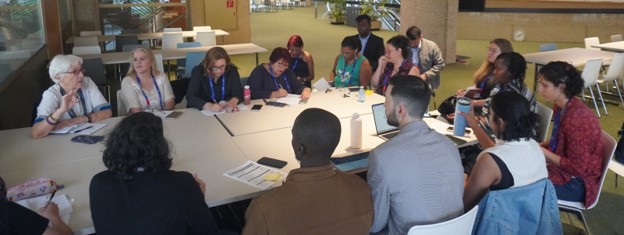
During the workers’ group meetings, platform workers were able to share their exact demands, and the experiences which inform them. These experiences were often key to the argumentation during negotiation by the workers’ secretariat, from beauty workers in India to delivery workers in Mexico.
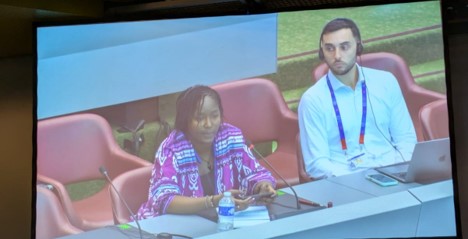
For example, Lucy Mugo, an AI data worker and co-founder of the Data Labelers Association in Kenya, shared about the hidden costs and fees she has to bear in her work. The specificities of her experience helped enrich the arguments around prohibiting the charging of costs and fees.
As Lucy put it: “For years we have been contributing to the Artificial Intelligence value chain, but our voices, our experiences, our concerns are never heard. Nobody knows there is a workforce behind Artificial Intelligence…. It is such an honor and responsibility to be advocating for our rights [at the ILC].”
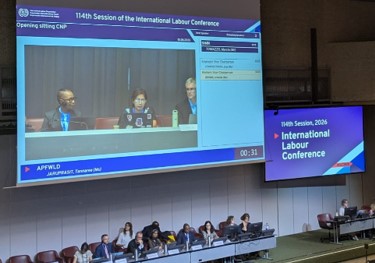
In addition, Tannaree Jaruprasit, a platform delivery worker from Thailand and President of the Southern Riders Association, spoke to hundreds on behalf of many grassroots platform workers and women workers during the opening session of the negotiations. She highlighted the double burden that women workers face with unpaid care work, which so often leads them into ‘flexibility’ traps in the platform economy.
Key Wins and Next Steps
One of the major wins emerging from the Conference is that ALL workers, regardless of classification (independent contractors, own-account workers, or employees) will have access to the ILO fundamental principles and rights, particularly the right to organize and collective bargaining. This is an incredibly important step to codify fundamental rights and put obligations on countries and companies to uphold them. Many of the primary labor issues in the platform economy stem from purposeful misclassification of workers by platform companies to avoid responsibility.
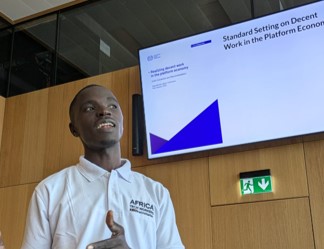
With this Convention, governments are obligated to ensure that workers are correctly classified, based on the facts of work, not just whatever Platform Companies decide to call workers (like “partners”). As Naftali Andati Wambalo, Content Moderator and Secretary of the Africa Tech Workers Movement, puts it: “Platform work is work. And just because a platform comes between the workers and their work does not mean that they should be denied their rights.”
Fair Pay
In relation to fair pay, the Convention upholds the right to “easily understandable” information on payment and renumeration. Governments are tasked with ensuring that workers in employment relationships (unfortunately not all workers) earn at least the minimum wage in the area where they work, and be compensated for any fees and costs accrued in the course of their work.
Algorithmic management, grievances, and data collection
Algorithmic management and deactivation is a major issue for platform workers whose pay, hours, and sheer ability to access work, are all governed by opaque algorithmic systems, often in ways that are unfair and exploitative to workers. The Convention prohibits unlawful or discriminatory deactivation and guarantees the right to human review and a written explanation when an algorithm makes decisions about work, as well as accessible and fair dispute resolution. The Convention also grants workers the right to know how their data is used, and have it deleted.
These regulations on algorithmic systems, deactivation, and data collection are incredibly important, but we have more work to do to ensure that platform companies do not continue the practice of retaliating for worker organizing efforts through deactivations and ‘shadow blocking’ (which means that the platform does not show the workers’ profile, or stops sending them tasks). This practice is a favorite method of platform companies to scare workers into silence and acceptance, and has been widely documented, as in this report by Human Rights Watch, and highlighted in this global campaign by the IAATW (International Alliance of App-based Transport Workers).
Occupational health and safety
In terms of occupational health and safety, the Convention extends rights to all platform workers, including the right to remove themselves from harmful and dangerous situations, and provides protection from violence and harassment, including online harassment.
Protecting vulnerable workers
The Convention recognizes migrant workers’ special needs and includes an Article which mandates that governments must ensure protection for migrants and refugees, not only in the course of work, but also in work recruitment.
However, the Convention does not include specific protections related to gender or other vulnerable categories. As Shaira Tovar, of UNTA Mexico explains, this is something we need to fight for going forward: “We demand protection for women platform workers who make up 10% of the platform workforce around the world. For this reason, it is very important that the Convention has a gendered perspective, because this will inform the laws in various countries, and how they take action on this issue.”

Much of the hard work is still ahead of us. After a Convention is adopted, it then goes to each country to be ratified and implemented. Many countries will require major mobilizing to get to that stage, and we will need to push to discuss a strong ILO Recommendation in a few years which can supplement the Convention. While we plan to build pressure for ratification and a Recommendation, we are also taking stock of what we won, and the gaps that still need regulating.
Investors can support the GPWSP community by taking the following steps:
- Support ratification within your national context.
- Engage with workers and worker advocacy groups to better understand the challenges they face, and the solutions that most make sense.
- Engage with companies in your portfolios to respect the rights outlined in the convention.
To learn more about the Global Platform Workers Solidarity Project, visit their website.