
“Alone We Are Powerless; Together We Are Strong” — Global Platform Workers Convening in Nairobi, Kenya
By David Schilling, Senior Advisor, Interfaith Center on Corporate Responsibility, and
Anousha P., Project Assistant, Global Platform Workers Solidarity Project
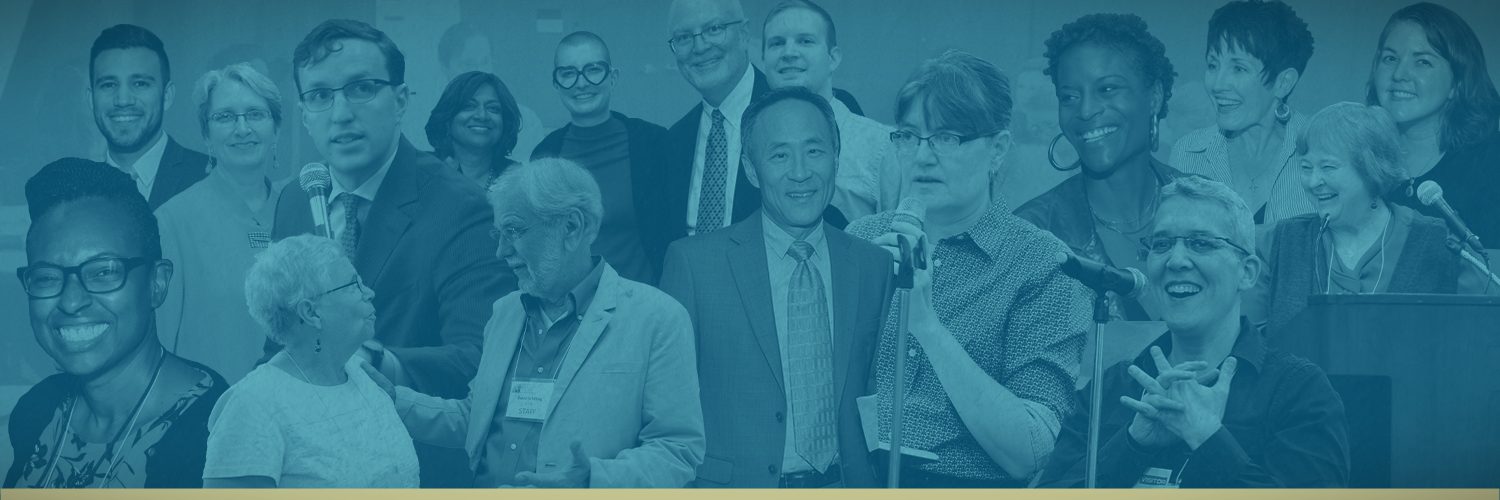
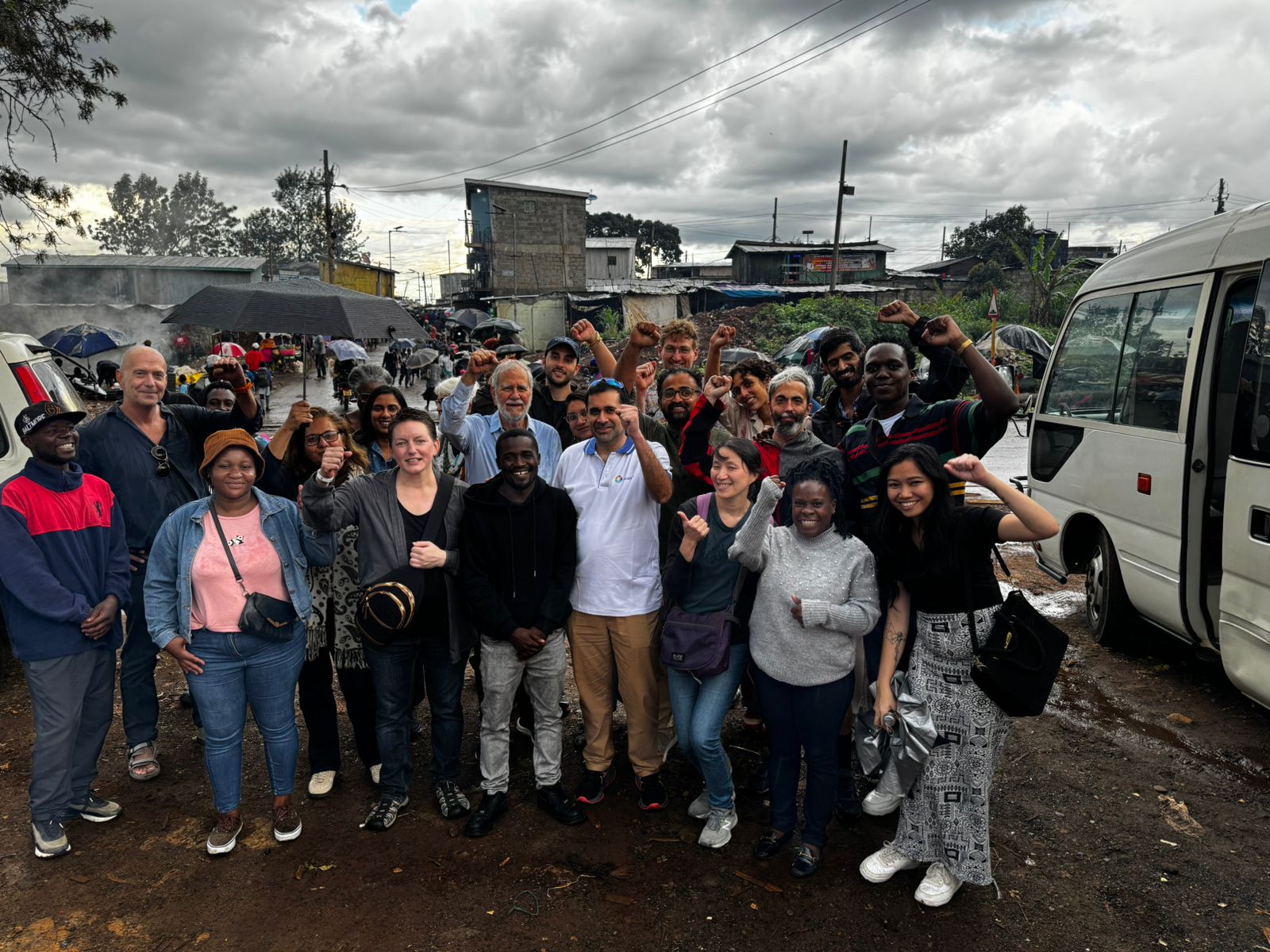
The Global Platform Workers Solidarity Project, of which the Interfaith Center on Corporate Responsibility (ICCR) and Equidem serve as the co-secretariat, convened a group of over 100 platform worker-organizers, national trade union center representatives and non-governmental organizations from 38 countries in Nairobi, Kenya from May 10th to May 12th 2026 to discuss and build strategies to advance full and fundamental rights for platform workers. Two key focal points of this meeting were securing a strong Convention on Decent Work in the Platform Economy at the International Labor Organization’s Conference (ILC) in Geneva in June, and transnational corporate campaigns for labor rights and dignity.
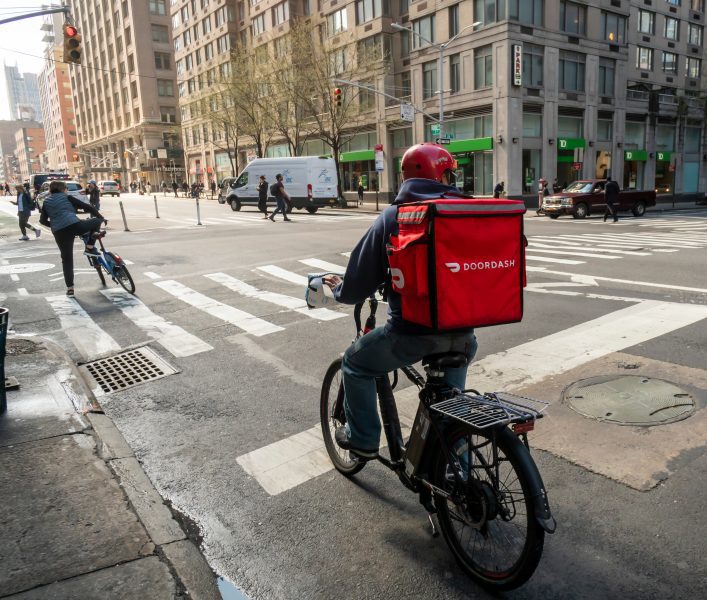
The rapid expansion of digital labor platforms has radically changed the way work is organized across many sectors and countries. The platform economy has exposed significant gaps in law and practice for workers, weakening basic labor rights and social protections essential to their livelihoods and security. Most platform workers are intentionally misclassified as ‘independent contractors’ resulting in their loss of full rights and protections afforded direct employees. In much of the Global South, where economies have long been characterized by unregulated and often highly exploitative informal labor, digital platforms are finding new ways to continue and, in some cases, exacerbate this model.
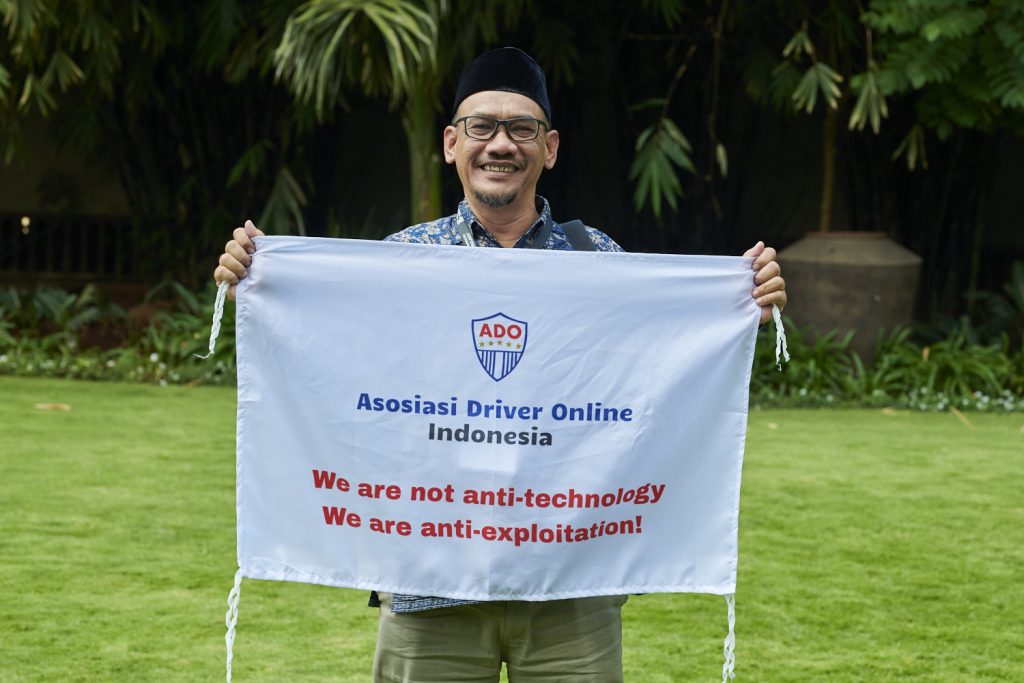
The May convening brought together platform delivery, rideshare, domestic, nanny, care, data, content, and creative workers. Despite differences in these roles, workers shared common demands for living wages, social protections, freedom of association and collective bargaining, transparency and accountability in algorithmic management, and strong health and safety protections. Workers also emphasized that labor rights must apply to all workers regardless of employment classification or migration status, and must be gender‑responsive and intersectional.
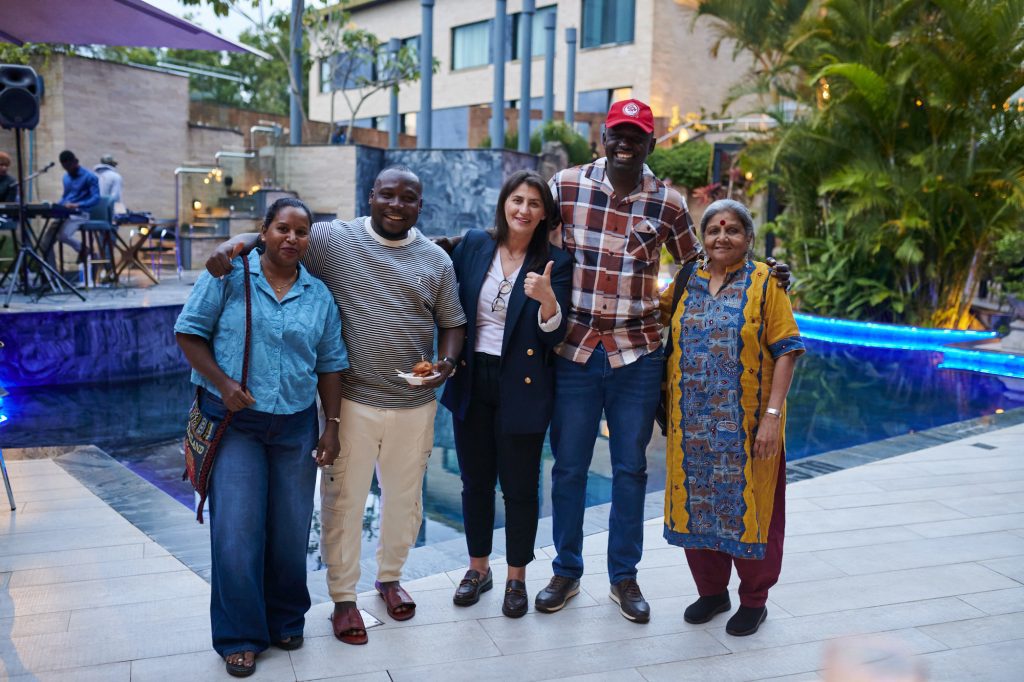
The room was filled with palpable energy and a strong sense of solidarity among workers from diverse geographies, languages, and areas of platform work. Despite the long sessions and the considerable distances many participants had traveled, conversations continued to flourish in side meetings, evening gatherings, and parallel discussions—planting the seeds for future collaboration and collective action.

During the 3 days together in Nairobi, we focused on:
- Seeking alignment on a strong Convention on Decent Work in the Platform Economy. There was arich interaction between local and grassroots worker organizations, and national trade union centers and global union federations, who are part of the negotiations at the ILC. Various perspectives were presented, differences discussed, and alignments forged on a common set of core demands and amendments to inform the discussions on the Convention, this June.
- Sharing strategies and campaigns experiences, and approaches to new and evolving platform work legislation. Worker groups shared various case studies, including UNIDAPP’s collective bargaining with Rappi (a delivery app) in Colombia and SPAI’s advocacy for legislation that recognizes employment relationships in Indonesia.
- Focusing on research strategies for multinational platform companies and approaches to corporate engagement. Equidem presented their research model for analyzing multinational platform companies, including methods for tracing complex and opaque international subcontracting structures. The African Content Moderators Union presented their Data4Mods map, which visualize how companies are connected across different levels of the supply chain. The Tech Workers Coalition Berlin shared examples of successful multinational campaigns, including the Bangladesh Accord, to draw from. ICCR presented on how shareholder engagement by investors can be an additional point of leverage for worker power.
- Identifying next steps for the Global Platform Workers Solidarity Project (GPWSP). Suggestions included continued planning for the ILC and ratification of the Convention by governments; building collective multinational corporate campaigns including strategic research and investor engagement; popular education and capacity building; and social media and narrative support.
The 3-day convening concluded with participants reflecting on the concrete steps they were committing to in the immediate term and over the coming year to advance collective campaigns. Hands were raised across the room, with each organization articulating clear and actionable commitments. Grassroots groups from Brazil, Mexico, Kenya, and Sri Lanka shared plans for an international day of action in which platform workers worldwide would log off for a few hours to demonstrate that “platform workers deserve dignity, fair wages, social security and labor rights. The future of work must include justice for gig and platform workers everywhere.”