



Shareholders Submit Proposal to Food & Beverage Giants Requesting Greater Transparency on Use of Potentially Harmful Additives
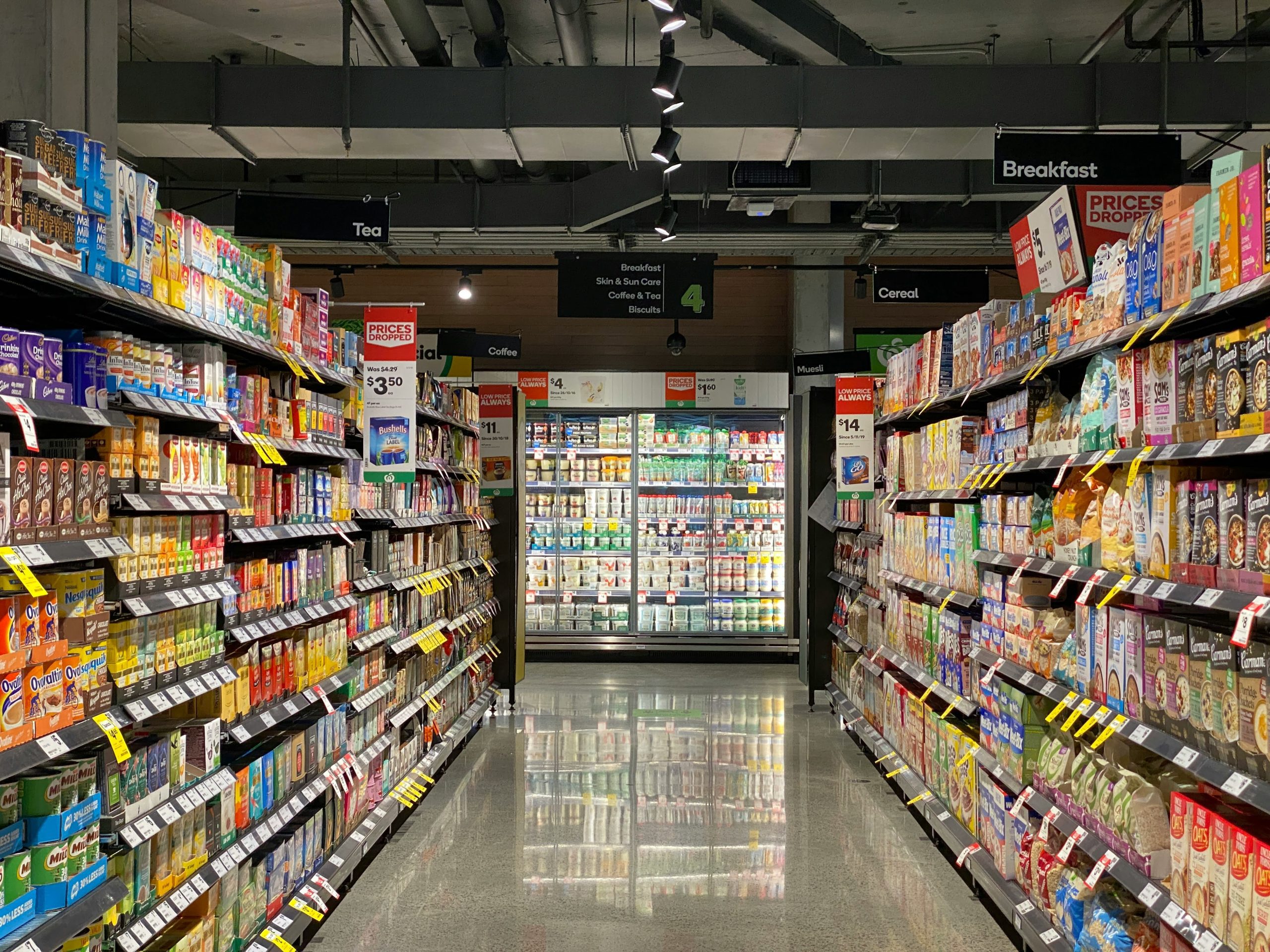
Shareholders in leading food and beverage companies today announced that they had filed a series of proposals for 2025 proxies requesting that those companies disclose their processes and policies for assessing and managing the health, financial and brand risks involved with the use of additives in their products. The filing comes amid mounting public concern around the use of chemical additives in the American food supply and their impact on the health and wellbeing of the consumer public.
In recent decades, a lax regulatory environment around the food and beverage industry has created a situation in which companies, rather than the FDA, are primarily responsible for the approval and use of Generally Recognized as Safe (GRAS) chemical additives in their consumer products. The proposals, submitted recently to several of the biggest corporations in the sector, request more public disclosure around company policies on the use of GRAS additives and the establishment of more robust and transparent food safety policies.
The proposals were filed at Coca-Cola ($KO), PepsiCo ($PEP) and Mondelēz ($MDLZ).
“Food and beverage companies have a moral responsibility to consider the long-term health consequences for people who are the consumers of their products,” said Laura Krausa, System Director of Advocacy Programs for CommonSpirit Health. “Recent changes in the regulatory landscape and growing concerns and even anger among the general public about the U.S. food supply mean that there is significant reputational risk in not being seen as taking those concerns seriously. With this proposal, we are encouraging corporate leadership to set a powerful example and safeguard long-term value and brand by adhering to a more rigorous standard of transparency around this aspect of product development.”
“For faith-based investors, protecting human health—especially children’s health—is a moral imperative. Our tradition teaches that stewardship includes safeguarding both human health and long-term corporate value,” said Christopher Cox, Executive Director of Seventh Generation Interfaith Coalition for Responsible Investment. “These proposals simply ask some of the most well-known companies in the American food and beverage sector to take responsible, transparent steps to protect consumers, strengthen trust, and reduce preventable risk. There is immense win-win potential in these resolutions securing wide approval.”
“The widespread breakdown of trust between the American people and companies is undeniable but it is not irreversible,” said Meg Jones-Monteiro, Senior Director for Health Equity and Evaluation at the Interfaith Center on Corporate Responsibility. “In many cases the way forward and course of action to enhance both consumer and investor confidence is clear and completely achievable. That course calls for a new approach that prioritizes transparency, rigor and a willingness to adhere to evidence-based practices. It will also help companies get ahead of increasing state-level legislation and potential federal regulation on this critical topic.”
The proposals are expected to be voted on by shareholders at the annual meetings of the food and beverage companies this spring.
About the Interfaith Center on Corporate Responsibility (ICCR)
The Interfaith Center on Corporate Responsibility (ICCR) is a broad coalition of more than 300 institutional investors collectively representing over $4 trillion in invested capital. ICCR members, a cross-section of faith-based investors, asset managers, pension funds, foundations, and other long-term institutional investors, have over 50 years of experience engaging with companies on environmental, social, and governance (“ESG”) issues that are critical to long-term value creation. ICCR members engage hundreds of corporations annually in an effort to foster greater corporate accountability. Visit our website www.iccr.org and follow us on LinkedIn, Bsky Social, and Facebook.